
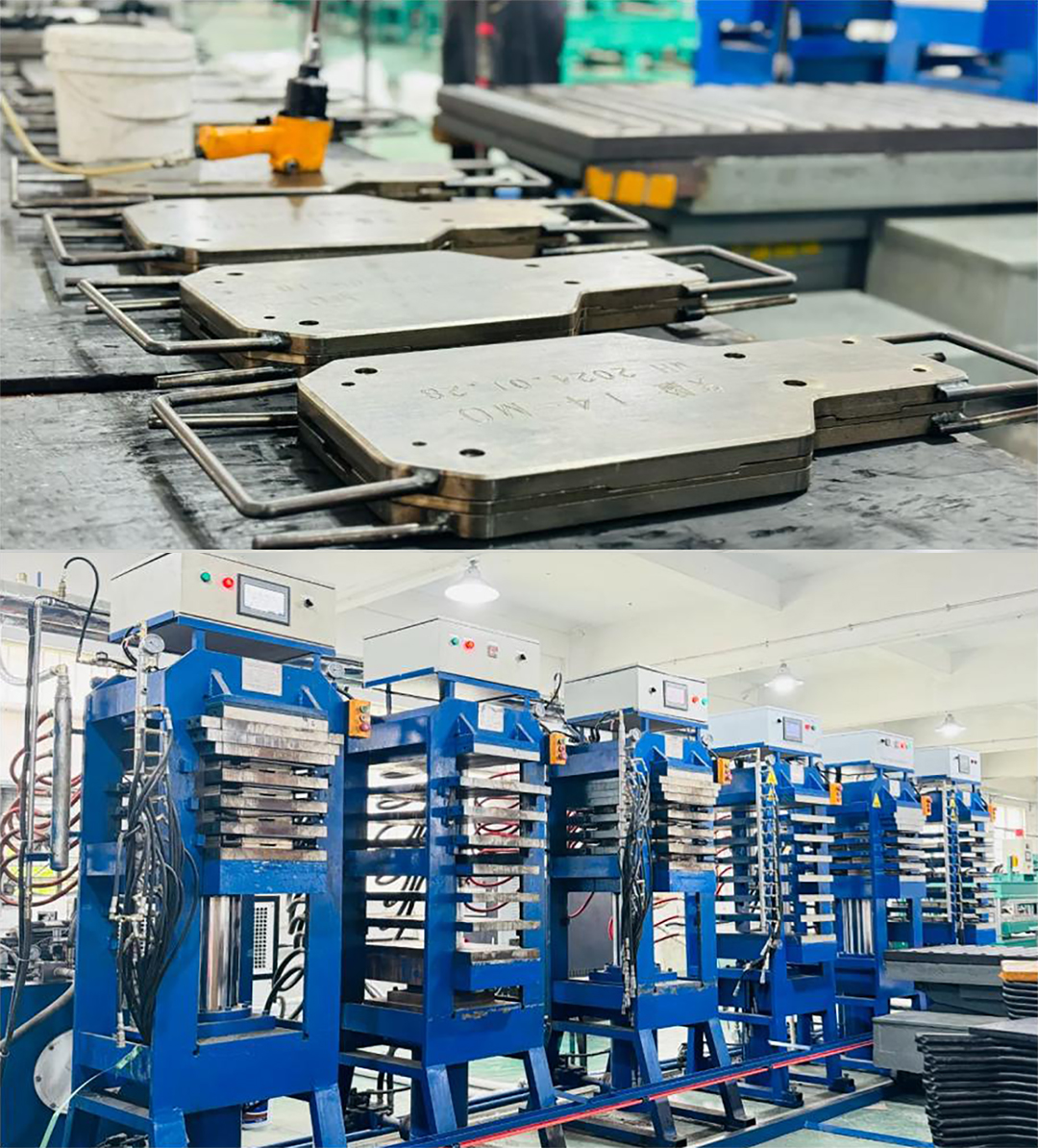
Cold-pressed and thermoformed pickleball paddles should be compared as complete construction systems, not as a simple good-versus-better choice. The terms can also be used differently across suppliers. A buyer should therefore request a written process and material specification, compare physical samples, and define measurable acceptance criteria before choosing a production route.
Quick Comparison
- Cold-pressed construction commonly uses separately prepared layers or panels that are bonded and finished through controlled pressing and curing steps.
- Thermoformed construction generally uses heat and pressure to consolidate a more integrated assembly, often with perimeter or structural reinforcement specified as part of the design.
- Neither label guarantees performance, durability, or consistency without details about materials, layup, bonding, process control, and inspection.
- The most reliable comparison uses samples built to documented specifications and tested against the same evaluation plan.
What Does Cold-Pressed Mean?
In a cold-pressed production route, prepared face and core components are bonded under controlled pressure without relying on the same heated consolidation cycle associated with thermoforming. Exact temperatures, adhesives, curing conditions, panel preparation, and assembly sequences vary. Buyers should ask the supplier to describe the proposed construction rather than assume that every cold-pressed paddle is built the same way.
What Does Thermoformed Mean?
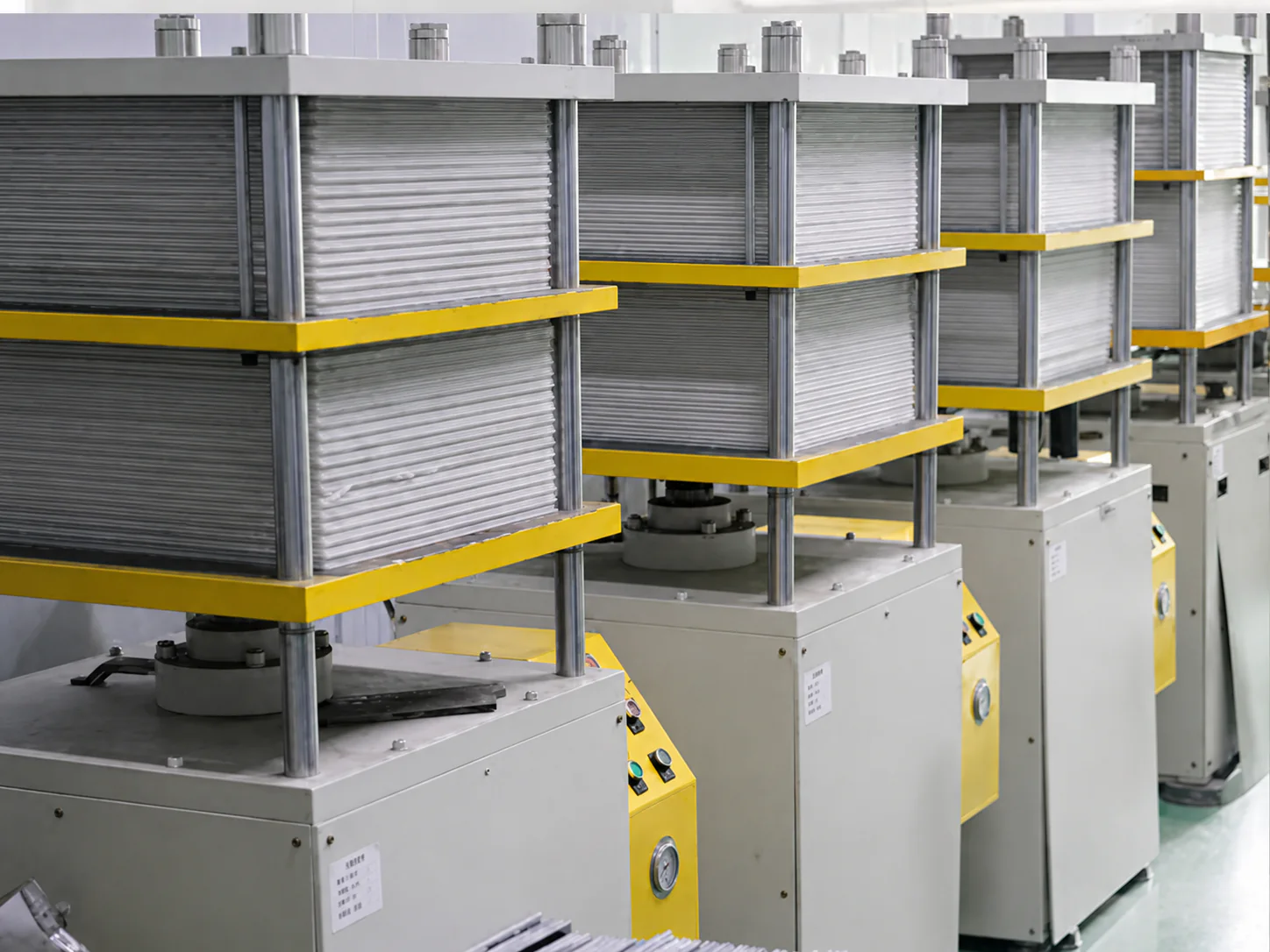
Thermoforming generally refers to a heat-and-pressure molding route used to consolidate the paddle assembly. Some designs also include perimeter reinforcement, foam, wrapped composite layers, or a more integrated handle and frame structure. Those features should be listed separately because the word thermoformed does not, by itself, identify every material or reinforcement used in the paddle.
Construction Differences Buyers Should Verify
Panel and Perimeter Structure
Ask whether face panels are prepared separately, how the edge or perimeter is reinforced, how the handle is integrated, and which bonding steps are used. Two paddles sold under the same process label may have different perimeter, handle, or layup structures.
Stiffness, Response, and Feel
Thermoformed constructions are often selected when a brand wants a more integrated or reinforced structure, while cold-pressed constructions can support a wide range of feel and price positions. However, face material, core thickness, layup, resin, weight, balance, surface, and geometry can change the result substantially. Evaluation should be based on samples rather than process terminology alone.
Weight and Balance
Additional reinforcement can change total weight and weight distribution. Define both a target weight range and a balance reference where relevant. A paddle that meets total weight but carries mass in a different area may not handle like the approved sample.
Appearance and Surface
Surface texture, print process, finish, edge presentation, and color approval should be assessed independently from the molding route. A process choice does not automatically guarantee a particular surface performance or visual result.
How to Compare Samples
- Use the same shape, thickness target, grip specification, and weight range when comparing construction routes.
- Record every material and structural difference between samples.
- Measure dimensions, thickness, weight, balance reference, handle alignment, and visual finish.
- Evaluate play characteristics with a defined group and consistent test conditions.
- Check bonding, edge, handle, and surface condition before and after the agreed evaluation cycle.
- Select an approval sample and freeze the corresponding written specification.
Commercial and Production Considerations
Construction route can affect tooling, material preparation, sampling time, process steps, achievable tolerances, cost, and production planning. The lowest sample price may not represent the lowest program risk. Buyers should compare the full quotation, revision requirements, inspection plan, packaging, and expected production controls.
Questions to Ask a Manufacturer
- What exact materials, layup, core, perimeter, handle, and bonding method are included?
- Which dimensions and weight tolerances can be controlled in production?
- What changes between the sample process and bulk production process?
- Which inspections are performed during and after production?
- How will approved artwork, texture, color, and packaging be controlled?
- Which factors determine MOQ, sampling time, and production schedule for this construction?
Frequently Asked Questions
Is every thermoformed paddle more durable than every cold-pressed paddle?
No. Durability depends on the complete construction, materials, bonding, reinforcement, process control, design, and use conditions. Process labels alone are not sufficient evidence.
Does thermoformed always mean foam-injected?
No. Foam or perimeter reinforcement may be part of a thermoformed design, but it must be confirmed in the written specification.
Can cold-pressed paddles be produced for premium product lines?
Yes. Product position depends on the complete design, materials, finish, performance targets, consistency, and quality controls rather than the process name alone.
What is the safest way to choose between the two constructions?
Compare documented samples against the same measurable and on-court evaluation plan, then approve the selected sample and its written specification.
Buyer Resource Library